


Table of Contents:
1.Introduction: Why Your Winnipeg Gardening Plan Needs Friends
2. The Fundamentals of Companion Planting
2.1 What exactly is companion planting, and is it just gardening folklore?
2.2 What are the core scientific benefits for my Winnipeg home garden?
2.3 Can companion planting genuinely reduce pests without pesticides?
3. Planning Your Winnipeg Companion Garden
3.1 How do I start planning my companion flower bed design?
3.2 What are the best companion plants for Winnipeg's challenging climate?
3.3 Are there specific companions for a Winnipeg rose garden?
3.4 Which vegetables are "best friends" for a productive Winnipeg veggie patch?
4. Advanced Strategies & Winnipeg Considerations
4.1 How does crop rotation fit into a companion planting strategy?
4.2 What role do aromatic herbs play in my gardening plan?
4.3 Can I use companion principles in containers and planters?
5. Soil, Maintenance, and Common Problems
5.1 How do I improve my Winnipeg topsoil for companion success?
5.2 What are common beginner mistakes in companion planting?
5.3 Where can I see companion planting in action in Winnipeg?
6. Conclusion: Your Garden as an Ecosystem
1.Introduction: Why Your Winnipeg Gardening Plan Needs Friends
Hello, fellow Winnipeg gardeners! If you've ever watched a cabbage moth decimate your kale or sighed at the spindly tomatoes struggling in our short season, you're in the right place. We're about to dive into a gardening method that feels less like a chore and more like hosting the perfect, self-regulating neighbourhood block party—right in your backyard.

This isn't about fighting nature; it's about leveraging it. Think of it as strategic friendship-making for your plants, a core principle of intelligent garden design Winnipeg enthusiasts are rapidly adopting. Instead of seeing your garden as a collection of isolated individuals, we'll explore how to weave it into a supportive community where each plant contributes something valuable, creating a resilient and beautiful oasis. This approach moves beyond simple aesthetics, transforming your outdoor space into a dynamic ecosystem that requires less intervention and yields more joy.
For years, many of us have approached our plots with a segregated mindset: the vegetable patch here, the flower garden there, and the shrubs holding down the borders. But what if the key to a healthier, more vibrant garden was breaking down these barriers?
The concept of companion planting, backed by increasing scientific validation and centuries of traditional knowledge, offers a powerful toolkit. It’s a method that aligns perfectly with the goals of quality landscaping—creating spaces that are not only beautiful but also ecologically sound and manageable. It’s about working with our unique Prairie climate, not against it, to create a stunning home garden design that thrives from spring thaw to autumn frost. This method is a cornerstone of thoughtful residential landscaping Winnipeg projects aiming for sustainability.
Contact us today for your free estimate.
2. The Fundamentals of Companion Planting:
2.1 What exactly is companion planting, and is it just gardening folklore?
At its heart, companion planting is the practice of placing different plant species close together for mutual benefit. For generations, this knowledge was passed down as gardening lore—"plant basil with your tomatoes!"—often without a clear explanation. Today, horticultural science is catching up, providing evidence for why these classic pairings work so well. It's not magic; it's ecology. A well-executed plan is a hallmark of sophisticated landscape design, creating a layered, interactive planting scheme.
The benefits are multifaceted. Some plants, like marigolds, exude chemicals from their roots that repel harmful nematodes. Others, with broad leaves, provide living mulch, shading the soil to conserve moisture and suppress weeds—a huge boon during our sometimes-dry Winnipeg summers.
Tall, sturdy plants like sunflowers can act as a natural trellis for lightweight climbers like beans. This intelligent placement is a key landscaping strategy that reduces the need for constant landscaping maintenance Winnipeg crews might otherwise perform.

2.2 What are the core scientific benefits for my Winnipeg home garden?
The advantages for a Winnipeg gardener are particularly compelling. First, and perhaps most importantly, is pest confusion and suppression. Many pests locate their favourite host plants by scent. By interplanting with strong-smelling herbs or flowers, you create a sensory smokescreen, making it harder for pests to find their target. A study from the University of Guelph found that intercropping with certain aromatic plants can reduce pest incidence by up to 40% in some crops.

Second, is pollinator attraction. Our fruit-bearing vegetables—like tomatoes, zucchini, and cucumbers—rely on pollinators. By incorporating nectar-rich flowers like borage, calendula, and echinacea, you invite a steady workforce of bees and butterflies, ensuring better pollination and higher yields. This is a fundamental principle for any productive home garden. Third, is improved soil health. Legumes like peas and beans have a symbiotic relationship with bacteria that fix atmospheric nitrogen, making it available in the soil for neighbouring, nitrogen-hungry plants like corn or leafy greens.
2.3 Can companion planting genuinely reduce pests without pesticides?
Absolutely. Let's take a classic Winnipeg pest: the cabbage moth. Its larvae (cabbage loopers) can decimate brassicas like cabbage, broccoli, and kale. Research has shown that interplanting these with strongly aromatic herbs like rosemary, sage, and thyme can mask the scent of the brassicas, reducing egg-laying. Similarly, lettuce can be protected from slugs by being planted alongside pungent herbs or vegetables like garlic. This is a core, chemical-free tactic for any landscaping maintenance Winnipeg plan focused on organics.
Another powerful example is using "trap crops." This involves planting a species that is more attractive to a pest than your main crop. For instance, nasturtiums are famously attractive to aphids. By planting nasturtiums near your prized rose garden or vegetable patch, you lure the aphids away from your valuable plants, and then you can simply sacrifice or treat the nasturtiums.
3. Planning Your Winnipeg Companion Garden
Incorporating companion planting in your Winnipeg garden design
3.1 How do I start planning my companion flower bed design?
The golden rule of companion flower bed design is "right plant, right place," but with a social twist. Start with a map—even a rough sketch on paper. Identify the "anchor" plants in your scheme. These are your tall, slow-growing, or most important plants, like your rose garden bushes, fruit trees, or a bed of tomatoes. Then, think about what you can plant around and between them. Consider the three dimensions: height (can a low-growing plant shade the soil beneath a tall one?), spread (will one plant smother another?), and root depth (deep-rooted and shallow-rooted plants often coexist beautifully).

For a vibrant flower garden, think beyond colour coordination. Pair tall sunflowers with climbing morning glories at their base. Plant nitrogen-fixing lupines near heavy feeders like delphiniums. Use sprawling perennial plants like catmint to fill space and suppress weeds around the legs of taller, more architectural plants. This layered approach is a signature of professional landscape architecture.
Ready to transform your Winnipeg yard with 10-best perennial suggestions?
3.2 What are the best companion plants for Winnipeg's challenging climate?
Winnipeg's climate—with its late springs, hot summers, early frosts, and dramatic temperature swings—demands tough, resilient plants. When selecting companions, focus on species that thrive in these conditions. Marigolds are a superstar; they're tough, bloom all season, and repel a wide range of pests. Calendula (pot marigold) is another champion, tolerating light frosts and attracting pollinators.
For herbs, dill, cilantro, and chives are cold-hardy and provide immense benefit. Dill and cilantro are umbelliferous flowers, beloved by predatory insects like ladybugs and lacewings that feast on aphids.
When planning your backyard landscape design, incorporate native perennial plants as companions. Plants like Purple Coneflower (Echinacea) and Black-Eyed Susan (Rudbeckia) are bred for our climate, are drought-tolerant once established, and are exceptional at attracting and supporting beneficial insects throughout the season. They form the resilient backbone of a low-maintenance, ecologically sound garden.
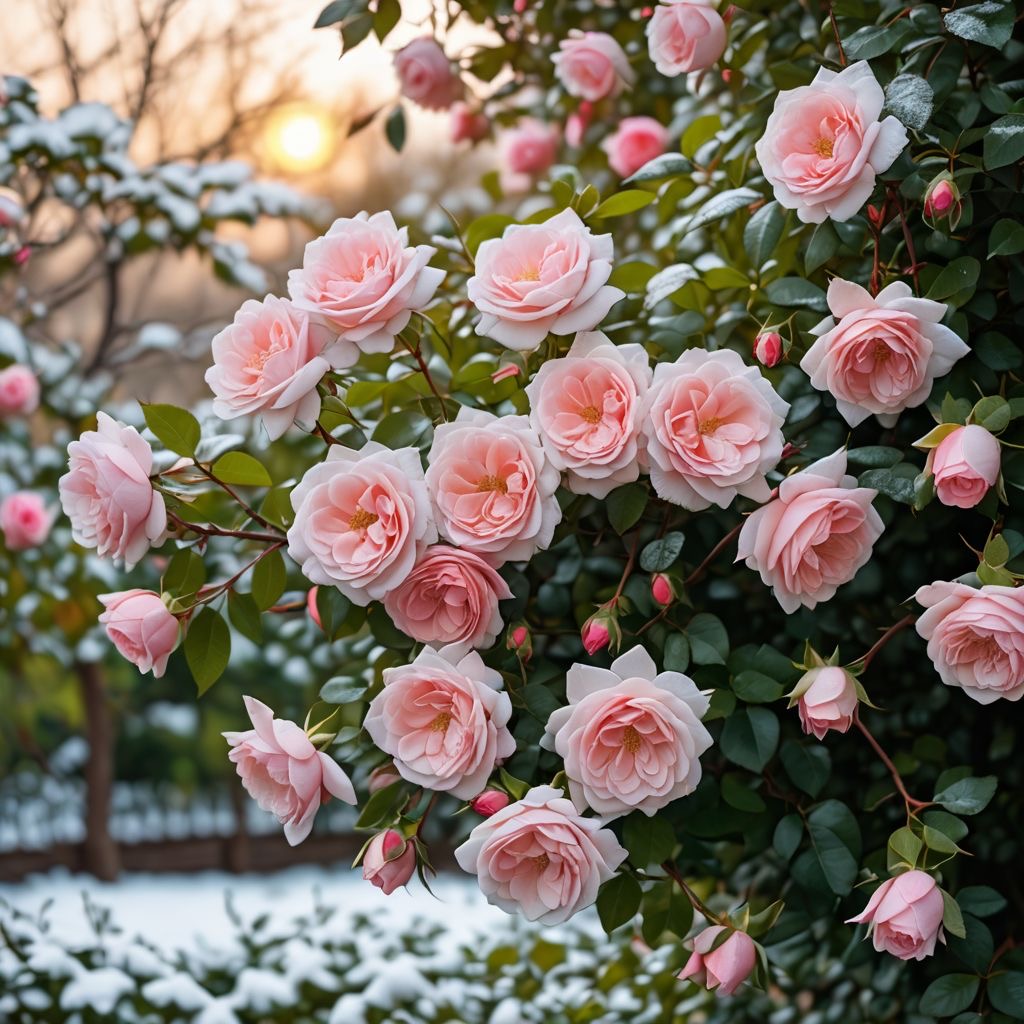
3.3 Are there specific companions for a Winnipeg rose garden?
Roses can be divas, but the right entourage makes them much easier to manage. The primary goal for rose companions is deterring Japanese beetles and aphids. Garlic and alliums (like ornamental alliums or chives) are excellent choices planted at the base of roses; their strong scent confuses pests. For attracting beneficial insects that will prey on aphids, consider planting catmint (Nepeta) or lady's mantle (Alchemilla mollis) around your roses.
For a truly stunning and functional rose garden display, interplant with flowers that don't compete aggressively for nutrients. Geraniums (the hardy perennial types, not pelargoniums) are fantastic, as they seem to repel Japanese beetles and rose beetles. Avoid planting roses too close to large shrubs or trees that will compete aggressively for water and nutrients.
3.4 Which vegetables are "best friends" for a productive Winnipeg veggie patch?
This is where companion planting shines. The classic "Three Sisters" method, developed by Indigenous peoples of the Americas, is perfect for our climate: corn provides a structure for beans to climb, the beans fix nitrogen for the heavy-feeding corn, and squash spreads along the ground, shading the soil to conserve moisture and suppress weeds.

Other power pairs for Winnipeg include:
-
Tomatoes + Basil: Basil may help repel tomato hornworms and flies, and some gardeners insist it improves flavour.
-
Carrots + Onions: The strong smell of onions deters carrot rust flies.
-
Cucumbers + Nasturtiums: Nasturtiums act as a trap crop for aphids, luring them away from your cucumbers.
-
Lettuce + Tall Flowers: Lettuce, which can bolt in our summer heat, appreciates the light shade provided by taller plants like sunflowers or cosmos.
-
Radishes + Squash: Radishes can deter squash beetles.
Contact us today for your free estimate.
4. Advanced Strategies & Winnipeg Considerations
4.1 How does crop rotation fit into a companion planting strategy?
Think of crop rotation as companion planting across time. It's a critical practice to prevent soil-borne diseases and nutrient depletion. Even with excellent companions, you shouldn't plant the same family of plants in the same spot year after year. A simple three or four-year rotation plan is ideal. For example, follow heavy feeders (tomatoes, corn) with soil-enriching legumes (peas, beans), then with light feeders (onions, roots). This long-term planning is a sign of quality landscaping and sustainable gardening.
4.2 What role do aromatic herbs play in my gardening plan?
Aromatic herbs are the multi-tools of the companion garden. Their strong essential oils are their primary defense mechanism, and we can harness this. Planting oregano, thyme, and sage throughout the garden creates a fragrant barrier against pests. Dill and fennel are particularly important as they are host plants for swallowtail butterfly larvae, but they also attract a huge range of beneficial insects with their umbrella-like flowers. Integrating an herb spiral or tucking herbs into flower beds is a brilliant landscaping idea that boosts both form and function.
4.3 Can I use companion principles in containers and planters?
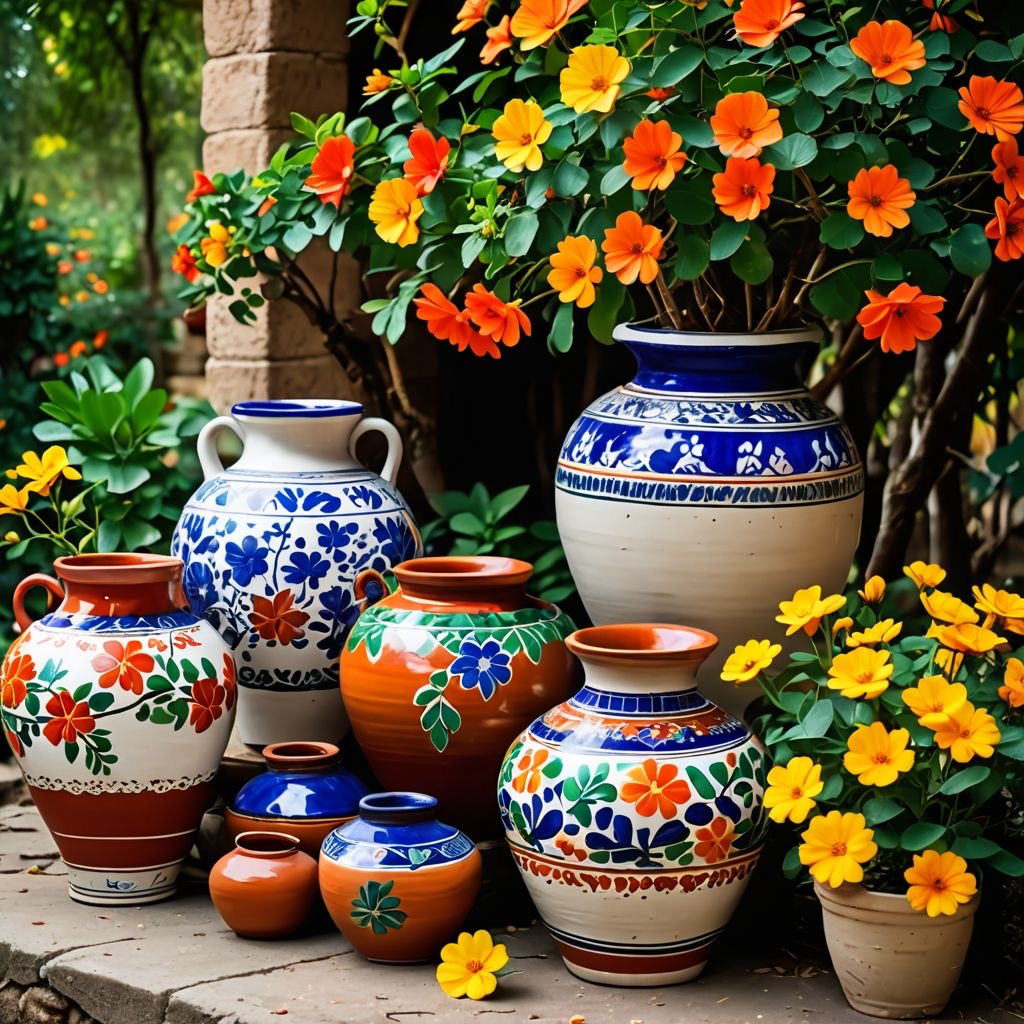
Without a doubt! Container gardening is perfect for practicing companion planting in a small space. The key is to ensure all the plants in a single container have similar needs for light, water, and soil. A classic "spiller, filler, thriller" planter can be adapted beautifully. For a sunny patio, your "thriller" could be a dwarf tomato plant, your "filler" could be basil and parsley, and your "spiller" could be nasturtiums or creeping thyme. This creates a beautiful, productive, and self-supporting mini-ecosystem in your planters.
Growing flowers & trees in containers in your Winnipeg garden
Ready to chat about your garden and lawn care goals?

Reach out by call or text to: 204-229-9789 or click here to submit your information today to arrange a “no obligation” introductory phone call. We look forward to helping you transform your yard.
Tips on how to prepare for a consultation meeting with a landscape or lawn care contractor
5. Soil, Maintenance, and Common Problems
5.1 How do I improve my Winnipeg topsoil for companion success?
Great gardens start from the ground up. Our native clay soil can be heavy and slow to drain. The single best amendment you can add is organic matter, and the king of organic matter is compost. Regularly adding compost improves soil structure, drainage, moisture retention, and fertility—it's a complete win. You can create your own compost from kitchen scraps and yard waste or source it from local landscaping companies Winnipeg providers. Another excellent practice is top-dressing your beds with well-rotted manure or leaf mold. Healthy, living soil is the foundation upon which all successful companion planting is built, reducing the need for constant yard maintenance Winnipeg homeowners often struggle with.
5.2 What are common beginner mistakes in companion planting?
The most frequent error is over-crowding. Even the best of friends need personal space. Plants that are too close together will compete for light, water, and nutrients, becoming stressed and more susceptible to disease. Always follow spacing recommendations on seeds packets or plant tags. Another mistake is forgetting about plant families. For example, tomatoes, potatoes, peppers, and eggplant are all in the nightshade family and are susceptible to the same diseases; avoid planting them as direct companions.
Finally, don't forget the basics. Companion planting is a powerful tool, but it cannot compensate for inadequate sunlight, poor soil, or incorrect watering. It works with good horticultural practices, not instead of them.
Contact us today for your free estimate.